

Price Match Guarantee

Order by 2:00 a.m., and we'll ship the same day

365-Day Return Policy
Price Match GuaranteeGET PRO PRICING
Maintenance tips for your dehumidifier
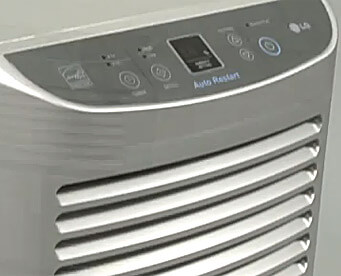
Dehumidifiers remove moisture from the air to regulate humidity levels in homes and businesses. They are generally portable units designed to serve a single room or area. A proper humidity level in your home will reduce the likelihood of mold growth, cut down on odors and allergens for your family and pets and even reduce damage to woodwork, furniture, drywall and paint.
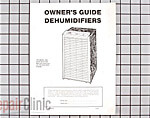
1Save and review the owner’s manual for specific tips from the manufacturer.
2Set the dehumidifier’s humidistat at the proper humidity level, usually around 35% RH.
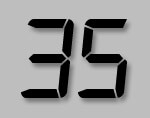
It’s extremely important that your unit’s humidistat is set to the proper humidity level. If you set the humidistat at a humidity level too low, the dehumidifier may run continuously. This wastes energy, resulting in higher electric bills and may have a detrimental impact on your home or business’ air quality. Most homes and businesses need some humidity to prevent drying-out damage to wood and paint as well as to control static electricity. Extreme dryness may also result in chapped lips and skin, bloody noses, respiratory problems and general discomfort for people and pets.
3Use a hygrometer to monitor humidity levels to ensure it is functioning properly.
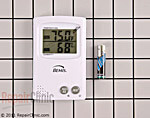
This handy, battery-powered hygrometer/thermometer can be mounted to a wall or set up on a table. It displays humidity levels and room temperature so that you can check to see if your dehumidifier is functioning properly and maintaining the humidity level as set on its humidistat.
4Clean the water bucket (a.k.a. water container).
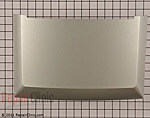
To prevent the growth of mold, your dehumidifier’s condensate (water) bucket should be cleaned monthly or as frequently as needed. Power off and unplug the unit, remove the container and wash it with warm water and a small amount of dish detergent. Rinse and dry the container thoroughly before returning the container to the dehumidifier.
If odor is a present after cleaning the container, try these odor-eliminating tablets that dissolve in water.
5Replace or clean the air filter once per year.
Your dehumidifier may have a simple, electrostatic air filter located in its grill area. Twice per year, check this filter for tears or other damage. Replace if any damage is found. Some filters may be cleaned; others require replacement. Check your unit’s owner’s manual for specific instructions about filter care.
Enter your dehumidifier’s model number to find replacement filters designed for your model.
6Inspect the cooling coils for frost or ice buildup.
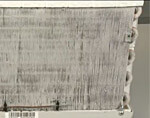
If the temperature in the room falls below 60 degrees Fahrenheit (15 degrees Celsius), your dehumidifier’s evaporator coils may develop ice buildup. This may lead to an expensive repair. Dehumidifiers should only be used in rooms that are kept above 60 degrees Fahrenheit (15 degrees Celsius). You may find that raising the dehumidifier up off the ground will help, as room temperature tends to be coolest near the floor.
7Wait 10 minutes before powering it back on, if you have to turn it off for maintenance or repair.
This will prolong the life of your dehumidifier by preventing compressor short cycling and enabling pressure in the refrigeration system to equalize properly.
Related Articles & Videos


Our Story
Family-owned and operated since 1912, Burke America Parts Group is the longest-running genuine appliance, HVAC, and outdoor power equipment parts solution in North America. At Repair Clinic, we're proud to be an international brand trusted by the pros as well as the DIY community.
About Repair Clinic
© 2026 RepairClinic.com